The Slice Is the Star: What 25 UK Cheeseburgers Taught Us About Melt, Salt and Coverage
Cheese is the most lied-about ingredient in the British burger. Menus promise a molten hug; what arrives is a tepid square that has clearly never met a hot patty. We spent the back end of 2026 eating 25 cheeseburgers in London, Manchester, Leeds, Bristol, Glasgow, Newcastle, Birmingham and Cardiff, and we judged the slice with the same seriousness most people reserve for the beef. The result was uncomfortable: most burger cheese is decoration. A few places treat it like a main ingredient, and those are the ones worth your Saturday.
How we judged the slice
We scored each burger on five things. Melt speed: how long the cheese took to drape rather than sit. Coverage: how much of the patty edge-to-edge it actually reached. Salt: whether it seasoned the beef or mugged it. Grease control: whether the bun survived the last third. And pull integrity: whether the cheese stretched like something you want to eat or snapped like a fridge-cold Dairylea triangle. Every burger was eaten in person, no delivery, no reheating, no excuses. Prices ran from £7 to £19. We are not naming the bottom twenty because they do not deserve the traffic. We are describing the top five because they deserve your attention.
The uncomfortable truth: most cheese is wallpaper
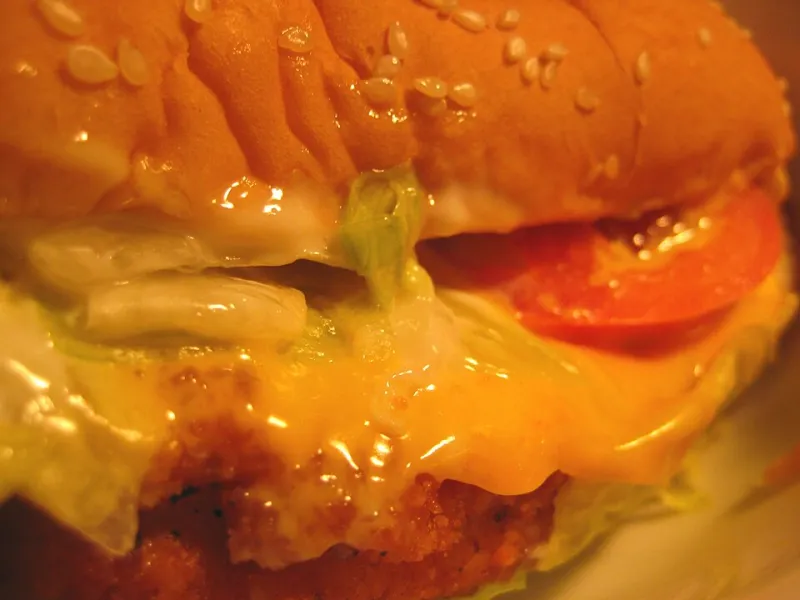
Wallpaper cheese is applied for colour, not flavour. It is cold in the middle, rubbery at the edge, and slides off the patty in one sad sheet. The causes are boring and consistent. The slice comes straight from the fridge. The patty is rested before assembly. The cheese is thin enough to read a menu through. And the kitchen is terrified of overhang, so it places a single square precisely in the middle of a patty that is twice its width.
You can taste the difference immediately. Proper burger cheese should taste of something: salt, savour, a little tang, a savoury hum that meets the beef fat. Wallpaper cheese tastes of the concept of cheese. It is there to make the photo look right. In 2026, that is not good enough.
The drapers: melt done properly
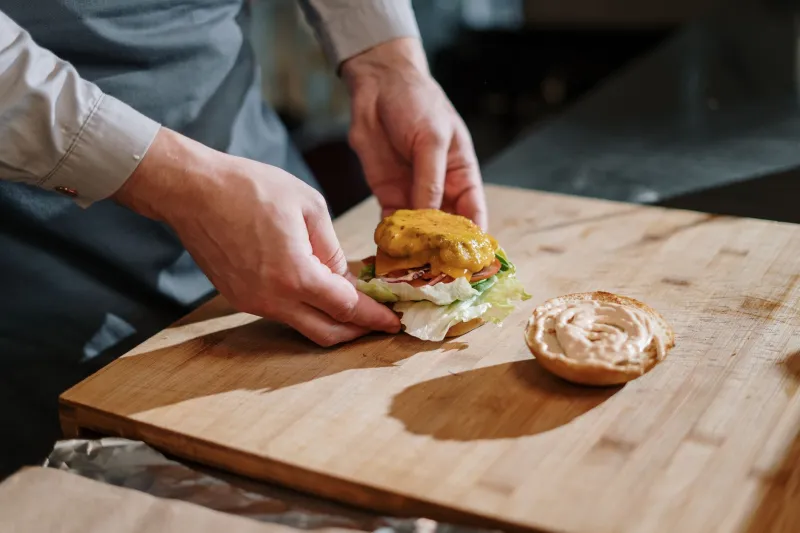
A good melt is not a magic trick. It is temperature management. The slice comes out of the fridge early. The patty hits the grill hard. The cheese goes on while the beef is still shouting, and a cloche or a splash of steam finishes the job. The result drapes over the patty like a blanket, reaches the bun, and stays there.
Our top five, in no particular order, all did this. There was a Bristol smash van where the cheese was folded over the patty edges before the second press. A Leeds double that used two thinner slices instead of one thick one, so the melt happened faster and the coverage was near total. A Glasgow basement spot that steamed the bun and the cheese together for the last twenty seconds. A Newcastle takeaway that let the cheese spill onto the flat-top for a few seconds, giving it a crisp lace edge. And a Cardiff side-street operation that used a mature cheddar blend with enough moisture to stretch without turning to oil.
None of these were fancy. They were just awake. The difference between wallpaper and a proper melt is not expense. It is attention.
Salt is not a personality
A lot of burger cheese is salted like it is trying to cover for something. The patty is bland, the bun is sweet, the pickles are shy, and the cheese arrives like a punchline. You can taste the salt before the beef. That is backwards.
The best slices we ate were salty, but they were salty in the way a good crisp is salty: a lift, not a lecture. They worked with an unsalted or lightly salted patty, a sharp pickle, and a bun that did not add sugar to the argument. The worst offenders were the salt bombers: processed slices that tasted of nothing but sodium and regret. Two of them were in London, one was in Birmingham, and one was a delivery-only burger that should have stayed in the kitchen.
Grease control and the napkin index
Cheese grease is the quiet killer of the last third of a burger. It pools on the patty, soaks the bottom bun, and turns the whole thing into a geological event. The best spots controlled it without stripping the flavour. They used a cheese with a little less free oil, or they toasted the bun hard enough to build a dam. They did not blot the burger like a crime scene. They just understood that cheese and beef fat are both rich, and the bun needs to be able to take the hit.
Our napkin index was simple: how many napkins did you need before the burger fell apart? The top five needed one. The bottom five needed a roll. The worst needed a bib and a prayer.
The slice-to-patty ratio
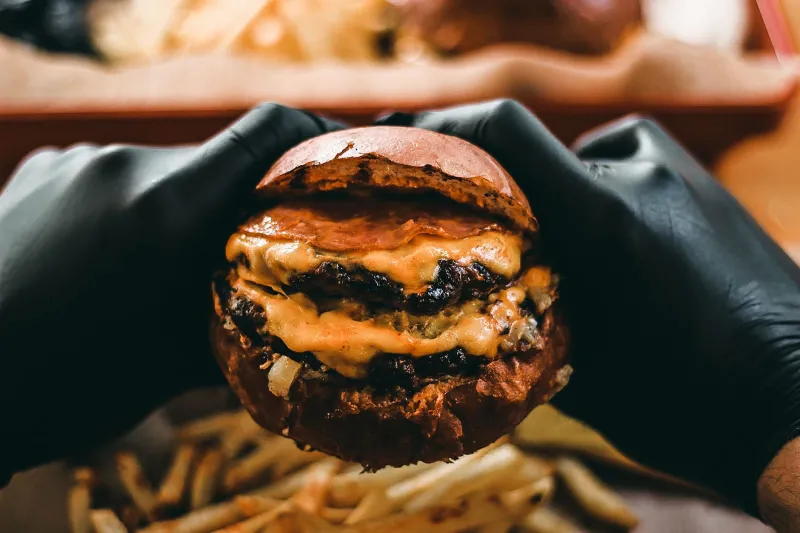
One slice per patty is fine for a smash burger. Two patties need two slices, or one thicker slice that actually covers the stack. The cheats are easy to spot: one slice folded over two patties, or a single square perched on top like a hat. The overhang matters too. A little cheese curtain is good. A cheese waterfall that glues the burger to the paper is not.
What the winners do differently
They order cheese by the block, not the box. They let it come up to room temperature. They put it on the patty while the beef is still hot. They use steam or a cloche to finish the melt. And they taste the cheese on its own before it goes anywhere near the burger. If it does not taste of anything, it does not go on the menu.
The verdict
Most UK burger cheese is still wallpaper. It is there to make the burger look like a burger, and it fails the only test that matters: would you eat it on its own? The handful of places that get it right are not necessarily the fanciest or the most famous. They are the ones who treat the slice as a main ingredient, not a garnish. In 2026, that is the difference between a cheeseburger you remember and one you merely finish. Ask yourself one question at the counter: does the cheese taste of anything? If the answer is no, save your money and your napkins.