Cabbage, Cream and Consequences: 25 UK Burger Slaws Ranked by Crunch and Crime
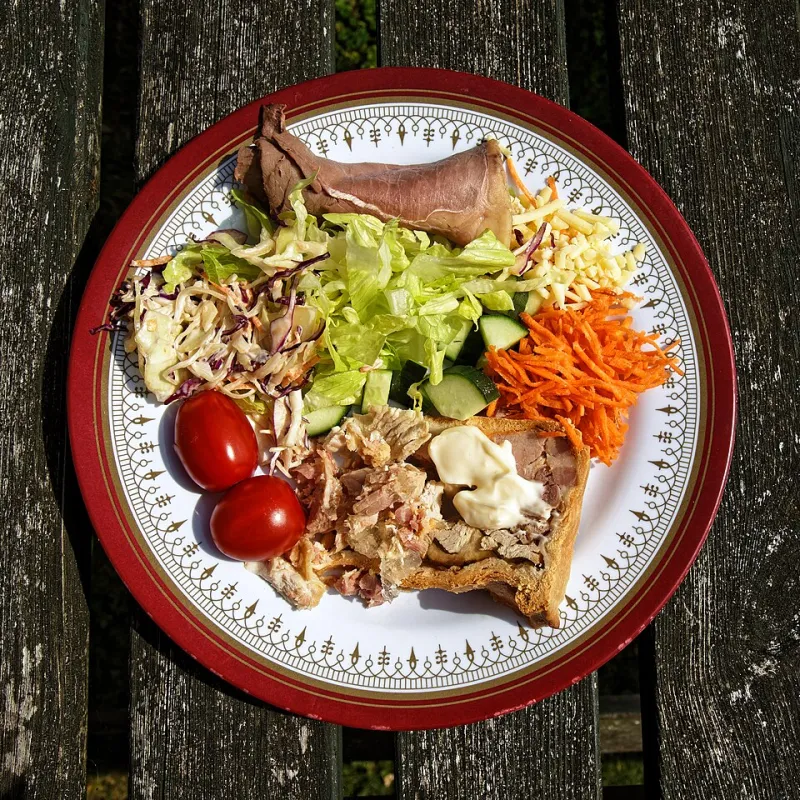
Photo: Acabashi, CC BY-SA 4.0, via Wikimedia Commons
There is a moment, about four bites into a good burger, when the whole thing starts to tilt. The fat has built up, the cheese is doing its salty thing, and the bun is beginning to consider surrender. What happens next is either rescue or ruin. Too often, it is a spoonful of sad, milky cabbage that was made on Tuesday and has been sitting in a cold well ever since. Slaw deserves better than that.
So we went looking. Across 2026, we ate 25 burger slaws in UK pubs, diners, roadside vans and a couple of places that really should know better. We were not judging them as deli salads. We were judging them as burger companions: can they cut through the beef, hold their texture, and keep the bun from turning into a swamp? That is the crunch-to-sog ratio, and it is the only slaw metric that matters once the plate lands.
How we scored the stuff
Every slaw got two scores. First, crunch persistence: the bite at the start, then the bite after five minutes, because a slaw that collapses on contact is just wet confetti. Second, bun integrity: what happened to the bottom half of the bun where the slaw made contact. A slaw that tastes fine but leaves a puddle is not fine at all. We also noted whether the slaw was doing a job — cutting fat, adding acid, giving heat — or simply occupying plate space because the menu template demanded a garnish.
We ended up with four broad families: creamy, vinegar-led, mustardy, and outright criminal. Most of the 25 fell into the first camp, which is both predictable and a bit depressing. Mayo is cheap, cabbage is cheap, and a lot of kitchens treat the combination as a box-ticking exercise. But there were surprises. Some creamy slaws were tight, bright and properly seasoned. Some vinegar-led ones were so aggressive they made the bun soggy before the burger even arrived. And a handful of mustardy versions were so good we would happily order them as a side dish with a fork and no burger at all.
The creamy majority: mostly a missed opportunity
Creamy slaw is the default for a reason. It feels generous, it looks familiar, and it soaks up smoke and salt. The problem is that most versions are over-dressed. We found slaws that were essentially mayonnaise with a rumour of cabbage, and slaws where the carrot had been grated so fine it had dissolved into a sweet orange sludge. The worst offenders were the ones that tasted of nothing but cold cream and sugar. You know the type: pale, limp, and weirdly sweet, like a dessert that has been left in the fridge next to the gherkins.
The good ones had restraint. They used less mayo than you think, more salt than you expect, and a proper mix of cabbage cut thick enough to keep its snap. A few added celery seed or a little mustard powder and were all the better for it. But the creamy category as a whole was the least reliable. It is where kitchens hide when they are not thinking.
Vinegar-led: the reset button, if handled properly
This was the strongest family overall. A sharp, vinegar-led slaw is exactly what a heavy burger needs: acid to cut the fat, crunch to break up the texture, and a clean finish that makes you want the next bite. The best versions were barely creamy at all — just cabbage, onion, a little oil, and enough vinegar to make your mouth water. They were the ones that left the bun intact and the palate refreshed.
The failures were the over-enthusiastic ones. We had a slaw that was so wet with vinegar the bottom bun gave up within seconds. We had another that tasted like pickling liquid with a garnish of regret. Acid is a tool, not a dare. The five-star versions balanced it with a little sweetness and salt, and they cut the cabbage finely enough to eat but not so finely that it turned to mush.
Mustardy: the underrated middle ground
Mustard slaws were rare — only four of the 25 — but they punched above their weight. A bit of English mustard or Dijon gave the slaw a savoury backbone that worked beautifully with beef, and the heat was gentle enough not to fight the burger. These were the slaws that made us sit up. They had character. They also held their texture well, because mustard does not water things down the way mayo can.
One version, from a pub in the Midlands, was so good we asked for a second pot on the side. It had shredded white cabbage, a little red onion, a mustard-heavy dressing and a generous crack of black pepper. It was sharp, hot, and clean. That is the slaw I want beside a cheeseburger. Not a dessert. Not a puddle. A proper condiment with a bit of attitude.
The criminal cases
The bottom of the table was reserved for slaws that should not have been allowed near a bun. There was the sweet, neon-orange stuff that tasted of sugar and food colouring. There was the watery coleslaw that had clearly been sitting in a tray since the morning, leaching liquid into everything it touched. There was the slaw that was 90 per cent mayo and 10 per cent cabbage, which is not a salad; it is a sauce with delusions.
But the worst was a slaw that actively ruined a decent burger. It was creamy, wet and overloaded, and it turned the bottom bun into a soggy disc before we were halfway through. That is not a side issue. That is a structural failure. If your slaw is making the burger worse, take it off the plate.
The five that earned their place
The Griddle Yard, Leeds — a tight, creamy slaw with thick-cut cabbage and a whisper of celery seed. It held its crunch to the last bite and kept the bun dry.
Salt & Rind, Bristol — vinegar-led, sharp and bright, with red onion and a little parsley. It cut through a double cheeseburger like a knife.
The Brazen Cabbage, Glasgow — mustardy, peppery and confident. The kind of slaw that makes you rethink the whole side dish.
Bun Stop, Cardiff — a van slaw that should not have been this good. Crunchy, light, and properly seasoned, with no watery aftermath.
The Fold, Manchester — a creamy-vinegar hybrid with fennel and a little chilli. It was the only slaw all year that made us ask for the recipe.
What we learned
Slaw is not a garnish. It is a decision. The best versions are made with intent: cut properly, dressed lightly, seasoned well, and served with a mind to what happens to the bun. The worst are an afterthought, and they taste like one. If a kitchen cannot get cabbage right, what else is it cutting corners on? Next time you order a burger, look at the slaw first. It tells you a lot about the place. And if it is sweet, wet and pale, push it to the side and save your bun.