Plain Bun, Clear Conscience: The Sesame Swap Test That Exposed 30 UK Burger Kitchens
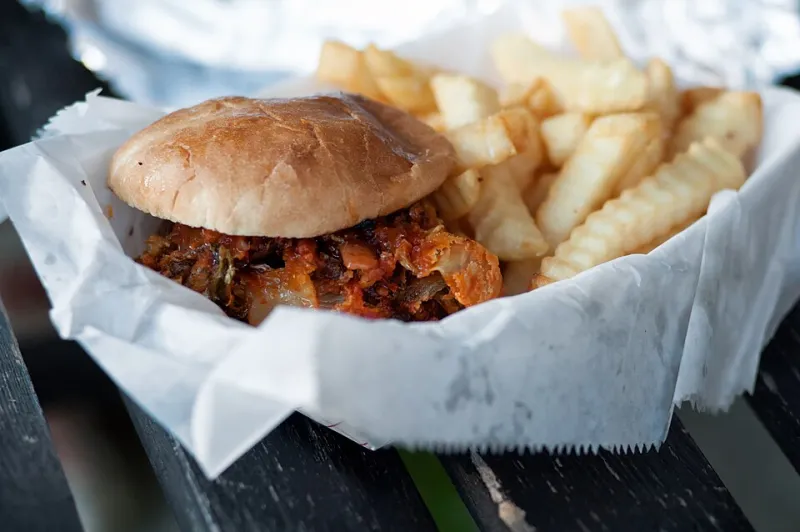
Photo: Brandon Morgan littleppl85, CC0, via Wikimedia Commons
Ask a burger kitchen to hold the sesame and you learn more than you do from a menu bio. We spent six weeks ordering across London, Manchester, Leeds, Glasgow, Bristol, Cardiff, Belfast and Brighton. Same script each time: no allergy, just a preference for a plain bun, could they hold the sesame or swap it? Thirty spots. Thirty small acts of negotiation. The results said less about seeds than about how a kitchen sees its own burger.
The Test: One Request, No Allergy Card
We ordered the house cheeseburger wherever possible. If a seeded bun was the default, we asked for it plain. If a plain bun was already on the menu, we asked to swap the seeded one out. We did not demand gluten-free bread, a lettuce wrap or a discount. We did not wave an allergy card. We simply asked whether the kitchen could move one ingredient: the visible topping on the bread.
Sesame is a useful stress test. It is cheap, obvious and rarely central to the burger’s architecture. If a kitchen can handle that, it can usually handle a medium-rare request or a sauce on the side. If it cannot, you start wondering what else is welded shut.
The Five Answers You Get
Across 30 visits, the responses fell into five camps. The best was the immediate yes: no sigh, no manager, no till drama. Second best was the informed swap: they offered a plain potato bun or brioche and told us the texture would change. Third was the disclosed charge: 50p or a pound for a different bun, rung up clearly. Fourth was the allergy pivot: the server heard “sesame”, stopped listening and reached for the clipboard. Fifth was the flat no, usually followed by an explanation that made the burger sound like a listed building.
Top of the Pile: Kitchens That Just Did It
The best experiences were not always the best burgers, but they were the most confident kitchens. A Bristol spot swapped a seeded brioche for a plain potato bun at no charge and warned us the burger would feel softer. A Glasgow place said “of course” before we had finished the sentence. A Leeds pub kitchen asked whether we wanted butter on the plain bun, which is the sort of question that suggests someone in the building actually tastes the food.
None of these places treated the request as a personal insult. They treated bread as an ingredient. That is the whole game. A burger is a patty, a bun and a ratio; if you cannot adjust one part without the whole thing collapsing, the design was fragile to begin with.
Where It Went Wrong
One London spot refused because the buns were “pre-seeded in the morning” and the burger was “designed around the sesame”. The burger was fine. The bun was dry and the seeds were doing more work than the beef. Another place brought a seeded bun and said the kitchen had “brushed most of them off”. That is not holding the sesame; that is a half-hearted compromise with a napkin.
A Manchester site charged £1.20 for a “bun alteration” and did not mention it until the bill arrived. A Belfast server said the chef would not do swaps, full stop, which is a legitimate policy if the menu is tight and the queue is out the door. But it was not a tight menu. It was a build-your-own list with six sauces and three cheeses. If you invite customisation, you cannot clutch the bread like it is the last lifeboat.
The red flag is not refusal itself. It is refusal without explanation, or a yes that arrives with a surprise charge. A kitchen that says no clearly is easier to respect than one that says yes and then does something else.
The Allergy Pivot
Several places heard “sesame” and switched into allergy protocol: manager, clipboard, a speech about shared fryers. That is correct behaviour when someone has a genuine allergy. But we had said, plainly, that this was a preference. Some servers listened; some did not. One went as far as saying they could not guarantee a sesame-free bun, which was probably true and also not the question.
There is a real difference between medical need and wanting a cleaner-tasting bun. Conflating the two is not just annoying; it hides the fact that the kitchen either cannot or will not do a simple swap. Safety language should be saved for safety. Otherwise it becomes a very polite brick wall.
The Hidden Charges and the Menu Honesty Problem
Five of the 30 charged for the swap. Only two warned us first. The fees ranged from 50p to £1.20, which is not life-changing, but it is revealing. If a plain bun costs less than a seeded one, why is there no refund? If a different bun costs more, say so at the till. A “customisation fee” is a tax on trust.
We are not against charging for real cost. We are against charging quietly and then acting surprised when the customer notices. The best places priced the swap like adults: here is the alternative, here is the difference, do you want it? That is not hospitality theatre. It is just honesty.
What the Bun Swap Actually Tells You
A kitchen that will not move bread often will not move anything else. It will not cook the patty a shade pinker, put the sauce on the side or leave off the raw onion. Sometimes that is fine. Some of the best burger spots in the UK have one burger, one bun and one correct way of doing things. But those places tend to say so up front. They do not hand you a clipboard and a build-your-own menu and then refuse to budge on sesame.
When a burger arrives with the wrong bun, it is not a garnish error. It is a signal that the order was not read. When a server rolls their eyes at a plain-bun request, it is a signal that the kitchen sees the customer as an obstacle. And when a place says yes without drama, you notice. You notice because it feels like the burger is being made for you, not merely assembled near you.
The Ranking That Matters
Top tier: immediate yes, informed swap, no silly charge. Middle tier: yes with a clearly disclosed fee. Lower tier: allergy pivot when no allergy exists, or a charge that appears only on the bill. Bottom tier: brought the seeded bun anyway, or refused with the sort of contempt usually reserved for people asking for well-done steak at a tasting menu.
We are not naming the worst three because the failures were mostly process, not malice. But we will remember the places that made the plain bun feel like a reasonable request rather than a small act of rebellion.
The Takeaway
The bun is not sacred. It is bread. If a burger shop cannot hold the sesame, ask why. Sometimes the answer is supply chain, sometimes it is kitchen logistics, and sometimes it is that nobody has thought about the bread since the menu was printed. All three are useful things to know before you order the double.
Burgerac verdict: the best burger spots treat the bun as part of the patty-bun-sauce triangle, not a fixed chassis. We will go back to the ones that said yes. Not because sesame is the enemy, but because flexibility, when it is honest and clearly priced, is delicious.