Board Games: The Burger Words UK Menus Keep Getting Wrong

Photo: Robin Müller, CC BY-SA 4.0, via Wikimedia Commons
There is a particular pause that happens between reading a burger menu and eating the burger. You scan the board, see double smash, dirty, buttermilk-fried and aged-beef blend, and your brain starts building a picture. Crisp lace edges. Tangy chicken. Beef with a mineral depth that justifies the extra three quid. Then the tray lands, and the picture collapses. Not because the burger is bad — often it is perfectly fine — but because the words on the board and the thing in the bun are only vaguely related.
That is the vocabulary problem. The UK burger menu has borrowed a useful set of kitchen terms and stretched them until they mean almost anything. At Burgerac, we are not against menu poetry. We are against menu fiction.
The Menu Is Writing Cheques the Kitchen Cannot Cash
Let us be fair to restaurants. A menu has to sell. It has to compress technique, sourcing and flavour into a handful of words that make you order before you overthink it. Smash is faster than pressed thin on a flat-top until the edges go lacy. Dirty is shorter than served with enough sauce and pickles to require structural engineering. The trouble starts when those words become costumes rather than descriptions.
A thin patty is not automatically a smash burger. A messy burger is not automatically dirty. A breaded chicken fillet is not automatically buttermilk. And beef that has spent a bit of time in a fridge is not automatically aged in any meaningful sense. These are not small quibbles. They are the difference between a menu that builds trust and one that trains you to ignore it.
The Side-by-Side: Four Words, Four Reality Checks
We ordered four burgers from four different UK counters in 2026, each leaning hard on a single buzzword. We ate them at the pass where possible, took notes, and compared what was promised with what was on the plate. No names, because the point is the pattern, not a pile-on.
Smash
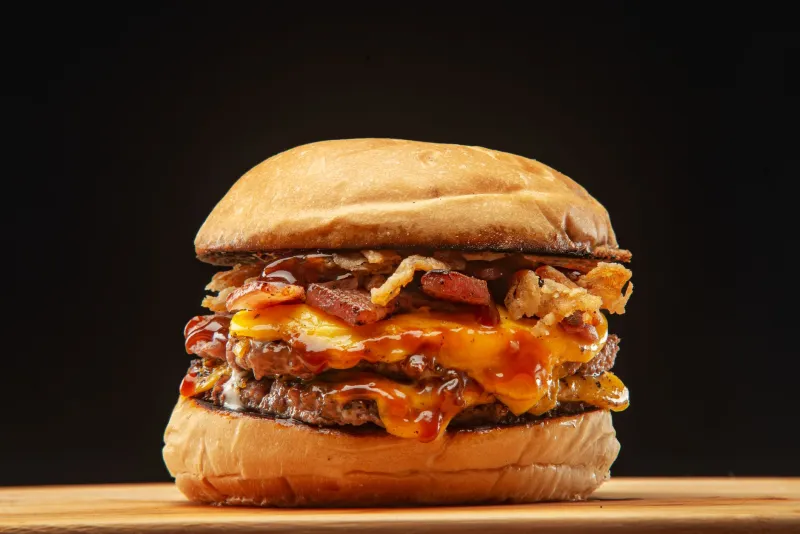
Burger A arrived with ragged, browned edges and a patty that had clearly met a hot flat-top and been pressed once, hard. It tasted of crust and beef fat. Burger B was called smash-style and arrived as a tidy, thick puck with no lace, no crust and no evidence of having been smashed at any point in its life. Same word. Different universe.
Dirty
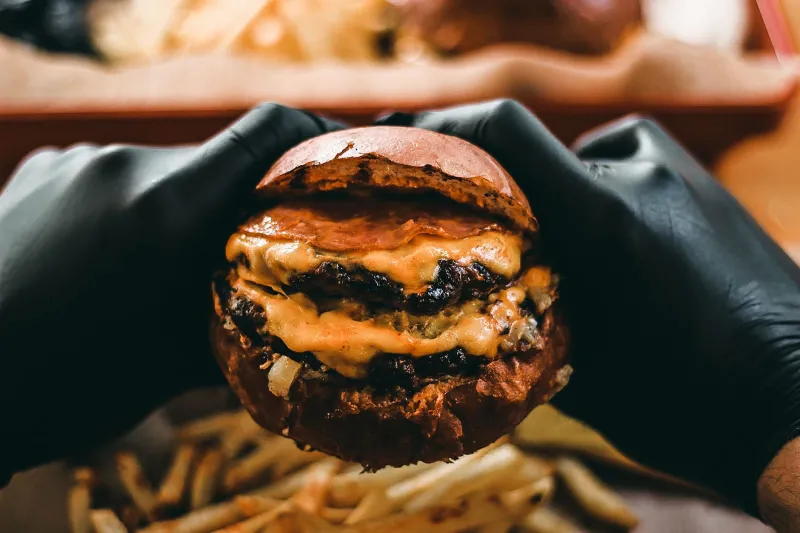
Burger C used dirty to mean a generous stack of pickles, chopped onion, American cheese and a sauce that escaped the bun on purpose. It was messy in a controlled way. Burger D used dirty to mean a lake of sweet sauce and a handful of limp onions. One was a style. The other was a warning.
Buttermilk
Burger E was a fried chicken sandwich with a craggy crust, a visible tang and meat that had clearly spent time in a seasoned buttermilk marinade. Burger F was a standard breaded fillet with the word buttermilk doing all the work. There was no tang, no craggy edge, no reason for the word to be there.
Aged Beef
Burger G said aged beef and gave a number: 28 days. You could taste the savoury, slightly nutty depth that comes with time. Burger H said aged beef with no number at all. It tasted like a normal supermarket patty. If there is no number, there is usually no story.
A Working Glossary for 2026
Here is what these words should mean when they appear on a UK burger menu. Print it out, fold it into your wallet, and hold the board to it.
- Smash: A ball of beef pressed hard onto a hot surface, usually once, to create a thin patty with a browned, crisp edge. It should be cooked to order, not pre-pressed and warmed through.
- Dirty: A burger built with deliberate mess — sauce, pickles, onions, cheese — but still balanced enough to eat. It is a style, not an excuse for a puddle.
- Buttermilk: Chicken that has been marinated in buttermilk, usually seasoned, before dredging and frying. It should bring tang and tenderness, not just a word on the board.
- Aged beef: Beef held for a stated period to develop flavour. If the menu does not give a number of days, treat the claim as decorative until proven otherwise.
- Wagyu: A specific breed with traceable provenance. A Wagyu blend can be legitimate, but it should tell you the percentage or the farm. Otherwise it is a price tag with a hat on.
- Brioche: A soft, enriched bun with butter and egg. It should not be so sweet that it tastes like cake. If everything on the menu is brioche, the kitchen is not thinking about the burger.
- House sauce: A sauce made in-house. It should taste like a decision, not like mayonnaise with brown sauce stirred in at the last minute.
- Loaded: A burger or fries with extra toppings. It should mean generous and considered, not simply more.
- Hand-pressed: Patties formed by hand. It should suggest care and a loose grind. It does not automatically mean better beef.
- Flame-grilled: Cooked over an open flame. It should bring char and smoke. A grill-marked patty from a flat-top is not the same thing.
The Retire List for 2026
These are the claims we would happily see retired, or at least tightened up, this year:
- Smash used for any thin patty, whether or not it was ever smashed.
- Dirty used to mean we put a lot of sauce on it.
- Buttermilk used for any breaded chicken with no tang and no marinade.
- Aged beef with no number of days attached.
- Wagyu used as a vibe rather than a provenance claim.
- Artisan on a burger that came out of a freezer box.
- Secret sauce when the secret is that it tastes of nothing in particular.
- Loaded when the toppings are three sad jalapeños and a squirt of mayo.
What We Actually Want on the Board
We do not need a paragraph of prose with every burger. We need accuracy. If it says smash, tell us it is smashed to order. If it says aged, give us the days. If it says buttermilk, make the crust taste like it. If it says dirty, warn us about the napkin count.
The best burger menus in the UK right now are not the ones with the most adjectives. They are the ones where the words and the plate agree. That is a low bar, but in 2026 it is still the one that separates a good feed from a frustrating one. The vocabulary is not the burger. But when it is used properly, it is the reason you order the right one.