Engineered for Eating: The UK Burgers That Survive a Proper Grip

Photo by Photo by Nathan Dumlao on Unsplash on Unsplash
There is a specific moment of dread that arrives just after the plate lands. The burger is tall, glossy and clearly built for a camera rather than a human. You pick it up, the heel starts to weep, a slice of tomato makes a break for the table, and suddenly you are negotiating with your lunch. That moment is what this audit is about.
A burger is a hand food. That is not a controversial position. If a kitchen sends out something that needs a fork, a bib and a written apology, it has designed for the photo, not for the eater. So over recent weeks we ate 35 burgers across the UK — London, Leeds, Glasgow, Cardiff, Bristol, Manchester and a few service stations in between — and put each one through a repeatable grip test. No lab coats. Just clean hands, a notebook, and a growing suspicion that structural engineering is the most underrated skill in the burger game.
How we tested without pretending it was science
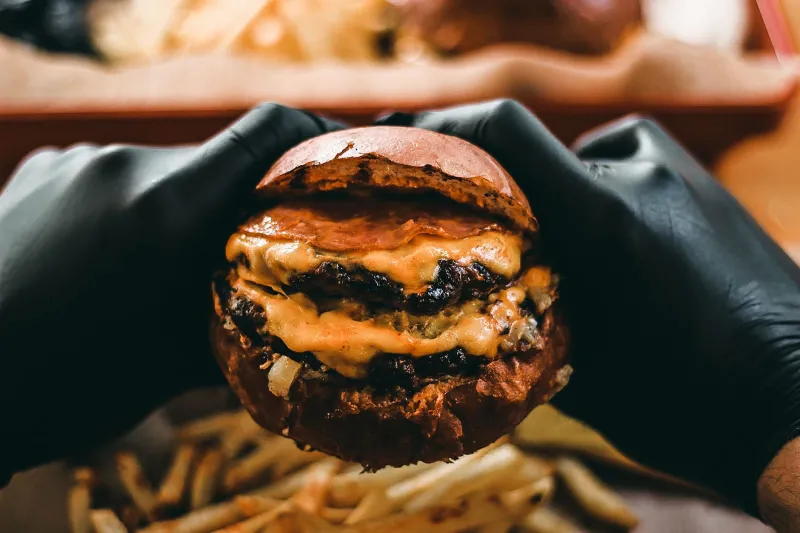
Each burger was ordered as served, with no tweaks beyond allergies. We then ran three stages. First, the squeeze: both hands, moderate pressure, five seconds. Second, the tilt: about 30 degrees toward the dominant hand, enough to mimic a real bite. Third, the shake: a gentle jiggle while lifting, because nobody eats a burger in a vacuum and the journey from plate to mouth is rarely smooth.
We scored bun integrity, sauce discipline, wrapping and recovery. We looked for heel blowouts, sauce weep, slaw avalanches, patty slide and the dreaded structural shrug where the whole stack gives up and settles into a pile. We did not penalise height on principle. A tall burger can work. A tall burger with no load-bearing plan is just a leaning tower with cheese.
The heel is the hero
Most failures started at the bottom. Everyone talks about the crown — the shiny top, the sesame lid, the Instagram face — but the heel does the work. A heel that looks sturdy can dissolve in ninety seconds if it is un toasted brioche meeting wet slaw. The best performers had a heel that was slightly thicker than the crown, or a properly griddled cut face. That toasted layer is not decoration; it is a moisture barrier.
Potato buns dominated the top of our notes again, which will surprise nobody who has been paying attention. But the win was less about the bun style and more about the treatment. A Cardiff smash shack served a double in a potato bun that had been pressed flat and toasted hard on the cut side. It survived the full three-stage test with no change in shape. A Glasgow van did something similar with a cheaper brioche, proving that technique beats spend. Meanwhile, a London pub sent out a beautiful un toasted brioche that turned to papier-mâché before the second bite. Good ingredients, no engineering.
Sauce discipline separates the pros
Sauce should lubricate, not flood. The best kitchens treat it like a seasoning, not a topping. We saw brushes, piping bags, thin layers on both crown and heel, and one place that put the sauce under the patty where it could not create a slip plane. The worst offenders used a ladle and a prayer. One burger had a visible pool of house sauce in the wrapper before we had lifted it. Another had mayonnaise on top of shredded lettuce, which is essentially building a burger on ice.
A useful rule emerged: if the sauce is on the top bun only, it will migrate down. If it is on both buns, it stays put longer. If it is on the lettuce, you are eating a salad with a structural problem. Cheese helps as an adhesive, but only if it is melted properly. A cold slice of cheddar is not glue; it is a slippery slab.
Wrapping, tilting and the reality of the hand-off
Wrapping is part of the recipe. A tight paper wrap with a flat base creates a cradle and keeps the stack square. Foil-lined paper can steam the bun if it is wrapped hot, but a two-minute rest before serving solves most of that. Burgers that arrived unwrapped on a wooden board fared worst in the tilt test. They looked lovely. They also slid apart like a deck of cards.
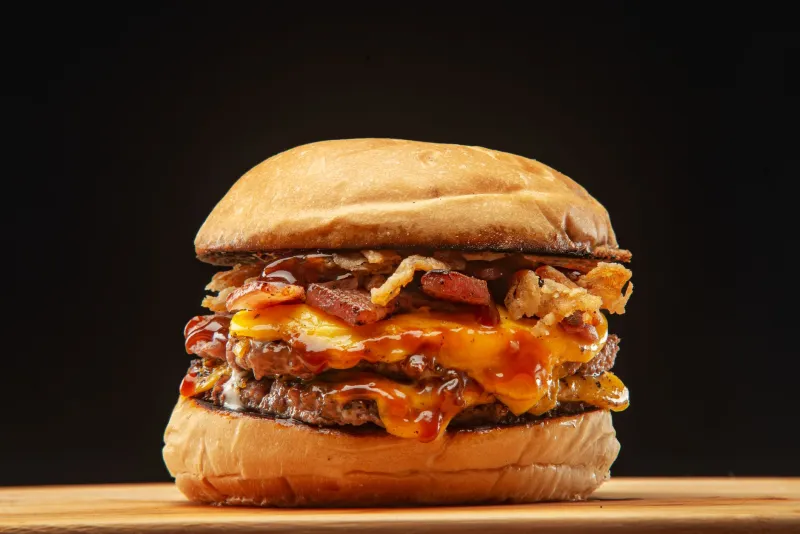
The tilt exposed the tall builds. A double smash with wide, flat patties tilted fine. A towering special with onion rings, mac and cheese and a hash brown did not. To be fair, that burger tasted excellent. But it required a knife and fork by the halfway mark, and that is a design choice, not a quirk. Height is not the enemy; poor load distribution is.
The ones that passed
Five burgers stood out in 2026. A Leeds pub kitchen served a double cheeseburger with a griddled heel, sauce on both buns and a paper collar that held everything square. A Bristol spot used a wider bun than the patty, which sounds wrong until you realise the extra rim catches the sauce. A Manchester chicken burger wrapped tight and rested briefly, so the brioche stayed crisp. A Cardiff smash shack made the list twice for consistency. And a Glasgow van proved that a cheap cut of beef, a flat patty and a well-toasted bun can beat a fancy build with no spine.
None of these were neat. All of them were eaten with two hands, no fork, no panic. That is the standard.
The ones that failed, and why we would still go back
A few collapses were memorable for the right reasons. One London special with a fried egg and a hash brown tasted like a weekend away, but the egg yolk turned the heel into a slip hazard. A Birmingham burger with pulled pork and slaw lost its structural integrity at the first squeeze, then somehow got better as a messy bowl. We marked them down for grip and up for flavour. That is the difference between a bad burger and a badly built one.
What to look for, and what to ask for
If you want to eat with your hands, look for a toasted heel, sauce applied with restraint, lettuce that is patted dry and a patty that is at least as wide as the bun's inner rim. Sit in if you can. Ask for sauce on the side if the build looks fragile. And do not be ashamed to ask for a fork if the kitchen has sent out a tower — but know that the best places will never make you ask.
The verdict
A great burger should be held, not managed. The 35-burger sample was not a scientific study, but the pattern was clear: the kitchens that think about grip, moisture and wrap are the ones that deliver the best eating experience. A fork is not a crime. But it should not be the default. The UK's best burger spots are getting better at building for real hands, and that deserves credit. The rest need to stop designing for the photo and start designing for the bite.